
Yes, you can do IPL skin rejuvenation at home. IPL photofacials have been a clinic staple for decades for sun spots, uneven tone, visible redness and broken capillaries, and at-home devices now deliver the same kind of light at lower, self-use energy levels. The honest difference: a clinic machine does more per session, while a home device gets there gradually over a course of weekly sessions, at less than the price of two clinic visits.
What IPL rejuvenation actually does
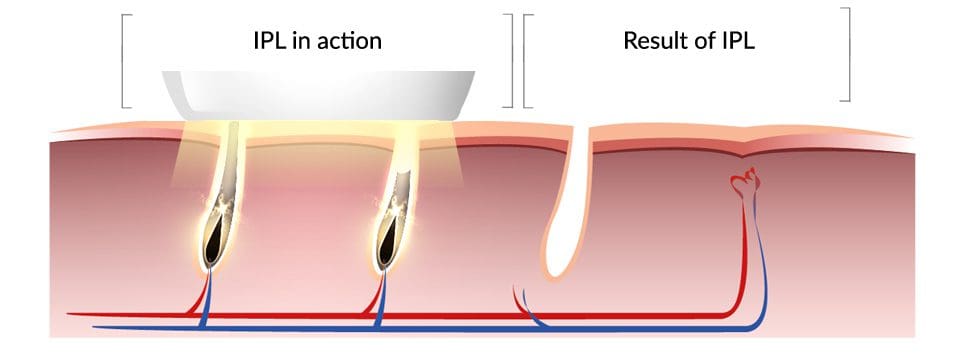
The skin rejuvenation lamp emits light in the 560 to 1100nm range. Two things in skin absorb it:
- Pigment. Sun spots, age spots and patchy tone absorb the light, darken slightly for a few days, then flake away and fade.
- Haemoglobin. The blood in tiny visible vessels absorbs the energy, the vessel walls collapse, and the body clears them. This is why clinics use IPL on broken capillaries and the diffuse redness that comes with rosacea-prone skin.
Texture and fine lines improve more slowly, as the gentle heating stimulates collagen over repeated sessions.
What the independent reviewers found
This is not our claim to make alone, and it should not be a claim you take from a brand. Penn Smith, the skincare educator with one of the largest mature-skin audiences on YouTube, bought the FAUSTINA herself, reviewed it unsponsored, and has documented her community's results, including viewers whose broken capillaries have stayed clear. Natural Kaos keeps a dedicated FAUSTINA IPL page covering her protocol and results. Watch both before you buy anything, ours or anyone else's.
As Penn Smith puts it plainly: a home device is not as strong as an in-office IPL. That is exactly why it is sold for home use, and why the routine below is a course, not a single session.
The routine
- Patch test on the lowest of the five levels, wait 48 hours.
- Treat clean, dry skin with the SR lamp, stamping flash by flash across the area. Cheeks, sides of the nose, chest and hands are the classic zones.
- Once a week for eight weeks is the standard course. Expect spots to darken briefly before they fade; that is the process working.
- SPF every morning. Sun exposure created most of what you are treating and will happily create more. This is the single highest-leverage step.
- Top up monthly after the course if new spots or vessels appear.
Redness and rosacea-prone skin, honestly
Clinics genuinely use IPL for the visible redness and capillaries of rosacea; it targets the vascular part of the picture, not the condition itself. If you have diagnosed rosacea, especially with active flares, papules or stinging, talk to your GP or dermatologist before using any light device, and never treat during a flare. What a home device can realistically fade is what you can see: the persistent background redness and individual thread vessels.
Which device
FAUSTINA 3SR
£260
Three skin rejuvenation lamps, 1.5 million flashes dedicated entirely to this work. For people who are here for skin, not hair.
Buy at faustinaskin.comFAUSTINA 3IN1
£240
One SR lamp plus hair removal and blemish lamps, everything in one box. Lamps replaceable at £60.
Buy at faustinaskin.comBoth carry a two-year warranty and ship from UK stock; unopened devices bought direct carry a 40-day money-back guarantee.
Questions people actually ask
How long until I see results?
Does it hurt?
Can I use it with retinol or acids?
Is it safe for darker skin tones?
Will the results last?
How often should you use IPL for skin rejuvenation?
Can home IPL remove age spots?
Is a home IPL photofacial as good as a clinic one?
Sources
- NHS: Rosacea, for the condition itself and when to seek medical care
- NHS: Moles, why any new or changing spot gets checked by a GP before light treatment
- PubMed: peer-reviewed IPL photorejuvenation literature
- FAUSTINA user manual: suitability charts, schedules and wavelength specifications
- Penn Smith Skincare's unsponsored review and Natural Kaos's protocol page